Furnishing a rental home: budget and payback time
Plan a rental home’s furnishing budget around practical needs, durable choices and a cautious calculation of possible payback time.
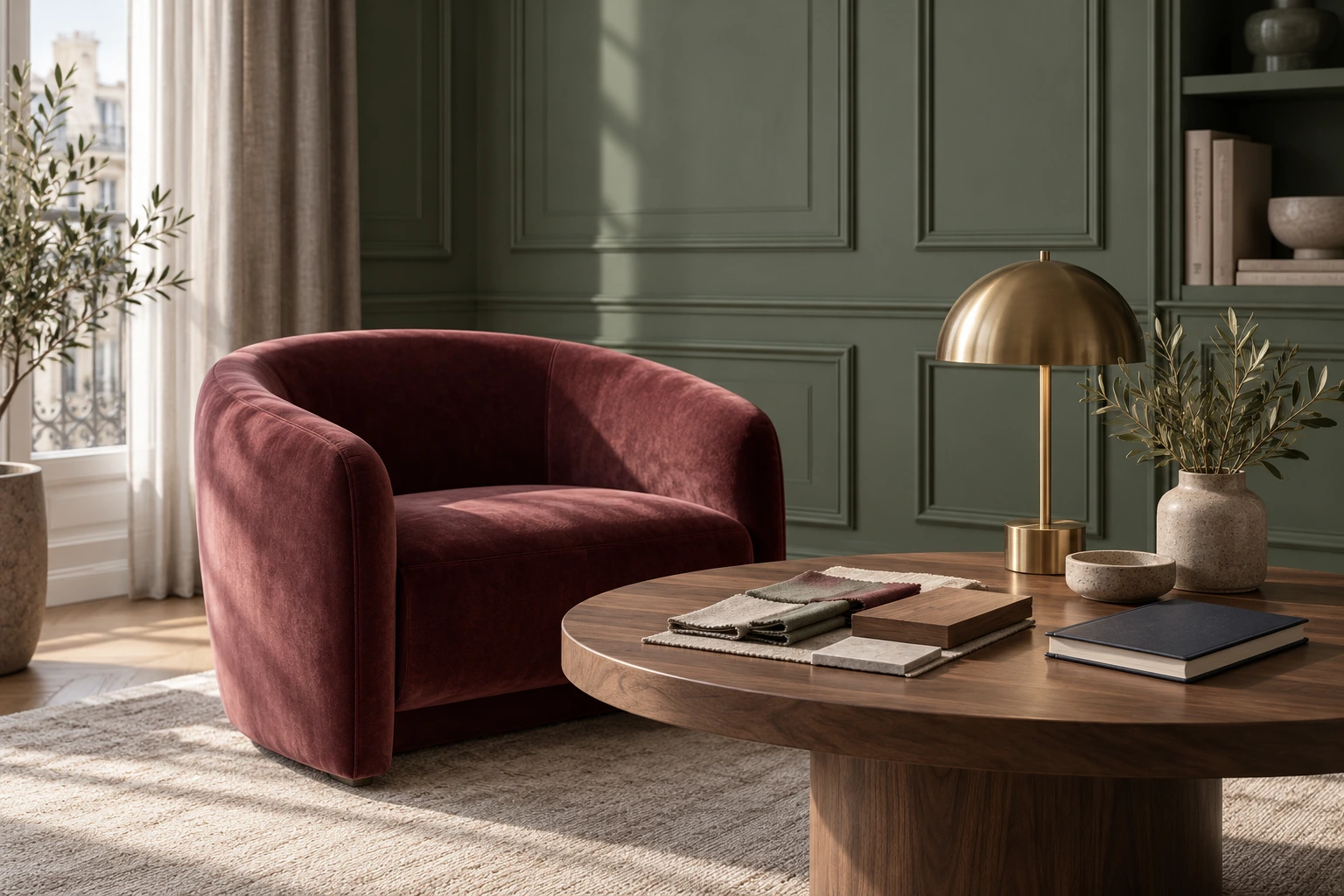
A well-furnished apartment should be appealing to look at and easy to live in. For an owner, each choice also affects the initial budget and future maintenance. Assessing the expense means connecting the setup to the people who will use the home, without assuming every purchase will increase the rent.
Start with the necessary work
Before decoration, check functionality, building systems, lighting, equipment and wear on existing furniture. Separate repairs from items that can be retained. Technical and compliance checks require qualified people: a new sofa does not resolve a system fault or a layout problem.
An organised list avoids spending first on visible details and discovering an essential need later. Initial photographs and an inventory document what belongs to the apartment and its condition at handover.
Furnish for the length of the stay
Someone living in a home for a few months may need useful storage, a workspace, adequate light and a genuinely usable kitchen. The balance depends on floor area and the intended tenant. Adding many objects to a small space can make it feel less clear and complicate cleaning and replacements.
Durable materials, replaceable textiles and readily available components help plan expenditure. A consistent palette and a few well-chosen pieces can unify an apartment without replacing everything.
Separate three parts of the budget
- Work necessary to prepare the home for its intended use.
- Setup and presentation: furniture, lighting, textiles, photography and inventory.
- A separate contingency and replacement reserve, proportionate to the property’s actual condition.
The quote should clarify VAT, delivery, assembly, disposal and timing. A missing item does not necessarily mean a zero cost. Allow for any period when works prevent letting: initial expenditure and missed rent are separate lines in the same project.
Calculate simple payback without turning it into a promise
Simple payback compares initial expenditure with an assumed additional annual benefit. To isolate the intervention’s effect, compare scenarios with the same occupied months and explain why you expect a benefit. A rent increase is not automatic: it must fit the home, demand and contract.
Illustrative assumptions: €8,000 of work and an additional €150 a month for 11 occupied months.
Assumed gross benefit: €150 × 11 = €1,650 a year.
€8,000 ÷ €1,650 ≈ 4.85 years
This is simplified gross payback time, not a net yield. It excludes additional costs, taxes, the time value of money and future replacements. A smaller benefit would mean a longer payback period.
Consider improvements that avoid costs too
An improvement can make the home easier to manage without increasing rent. A more durable solution may reduce replacement frequency; a clear inventory may improve handover management. Quantify savings using verifiable data and avoid counting them again as revenue.
Keep the assessment cautious: costs, time horizon and uncertainty matter together, as the Bank of Italy’s financial education material explains. For the full picture of rents and costs, explore our property return calculation guide.
Want to understand which improvements make sense for your home? Start with Demora’s services or tell us your goal before setting a budget.
Examples and budgeting criteria are editorial calculations, not quotes, average prices or guaranteed results. The financial education reference was consulted on 22 October 2026.